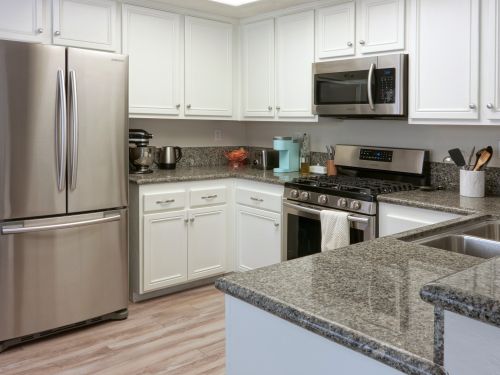
Plan a Kitchen Remodel with the Best Materials in Mind
Choosing the right countertop plays a major role in both the function and appearance of your kitchen. Among the most popular options today are quartz and granite, each offering distinct advantages in durability, maintenance, cost, and style. This guide breaks down the key differences to help homeowners make an informed decision during a kitchen remodel.
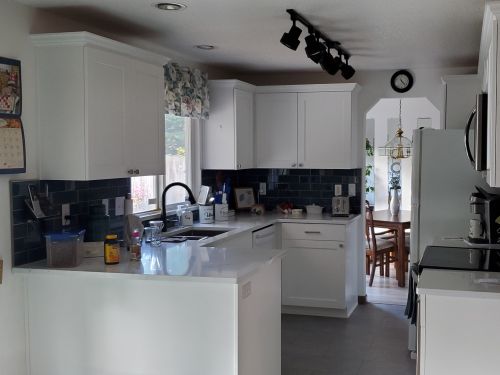
Durability: How Quartz and Granite Compare
Durability is one of the biggest considerations when selecting a countertop material, especially in a high-traffic kitchen.
Quartz Durability
Quartz is an engineered stone composed of natural quartz crystals mixed with resin. This manufacturing process creates an extremely hard, dense, and non-porous surface.
- Resistant to scratches and chips
- Withstands household wear and tear
- Not vulnerable to stains
- Less likely to absorb liquids or bacteria
However, because quartz is partially resin-based, direct, prolonged heat (like a pot straight from the stove) can damage the surface.
Granite Durability
Granite is a 100% natural stone, cut directly from quarries and polished. It offers outstanding durability and remains one of the hardest natural countertop materials available.
- Highly heat-resistant
- Scratch-resistant
- Long-lasting with proper care
Because granite is porous, it can absorb oils, wine, and liquids if not sealed regularly. When sealed, however, it performs exceptionally well in busy kitchens.
Maintenance: Daily Care and Long-Term Upkeep
Homeowners often weigh material choice based on the amount of care required.
Quartz Maintenance
Quartz’s non-porous composition makes it exceptionally easy to maintain.
- Daily cleaning requires only mild soap and water
- No sealing needed—ever
- Resistant to common cooking stains
- Low-maintenance for busy households
Quartz is ideal for those who want a hassle-free surface that stays pristine with minimal effort.
Granite Maintenance
Granite requires slightly more upkeep but remains manageable.
- Should be sealed once per year (sometimes every 2–3 years depending on usage and sealant quality)
- Needs proper cleaning with granite-safe products
- Avoid harsh chemicals that can damage the protective seal
For homeowners who appreciate natural materials and don’t mind occasional maintenance, granite remains an excellent choice.
Cost: Price Ranges and Value
Pricing varies based on brand, color, rarity, slab thickness, and installation requirements.
Quartz Costs
Quartz tends to fall in the mid-to-high price range.
- Typically ranges from $70–$120 per square foot installed
- Higher-end brands or unique patterns increase cost
- Offers predictable pricing because slabs are manufactured consistently
Granite Costs
Granite has a wider price range due to natural variations.
- Ranges from $50–$150 per square foot installed
- Common colors are more affordable
- Premium, exotic slabs can be significantly more expensive
Both materials deliver excellent long-term value, but quartz often appeals to those wanting consistent pricing and appearance, while granite is ideal for homeowners looking for natural beauty and unique veining.
Appearance: Style, Pattern, and Overall Look
Aesthetics play a significant role in kitchen design, and quartz and granite offer very different visual qualities.
Quartz Appearance
Because quartz is engineered, manufacturers can offer:
- Uniform patterns and colors
- Modern, sleek, and contemporary looks
- Designs that mimic marble or natural stone
- Hundreds of colors, from bright whites to deep charcoal tones
This reliability makes quartz a favorite among homeowners seeking a clean, consistent look.
Granite Appearance
Granite’s appeal lies in its one-of-a-kind natural beauty.
- Each slab is unique
- Bold patterns, dramatic veining, and rich mineral variations
- Ideal for kitchens seeking organic, earthy aesthetics
- Adds natural luxury to any space
If you admire individuality and natural textures, granite may be the more appealing option.
Contact Prestige Construction Today!
Which Countertop is Better?
The “best” choice depends on your lifestyle, design preferences, and maintenance expectations.
- Choose quartz if you want low maintenance, modern styles, and excellent stain resistance.
- Choose granite if you prefer natural beauty, heat resistance, and unique patterns.
For many homeowners, the decision comes down to whether they prefer consistency (quartz) or natural variation (granite).
Choosing the Perfect Countertop for Your Dream Kitchen
Both quartz and granite are outstanding countertop options, each offering unique benefits that can enhance your kitchen remodel. Understanding durability, cost, maintenance needs, and aesthetic differences ensures you select the material that aligns best with your lifestyle and design vision.
If you’re ready to start your remodeling journey, Prestige Construction & Home Remodeling can help you choose and install the perfect countertops for your dream kitchen. Contact our team today for a free consultation!