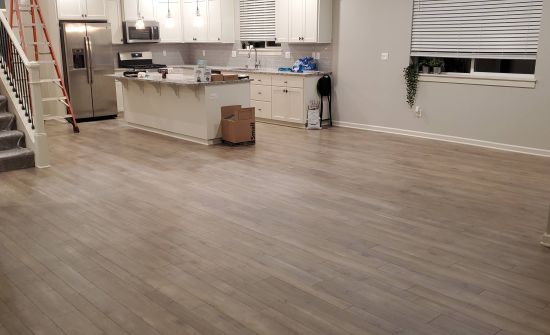
Considering a Remodel with an Open Concept Floor Plan?
In today’s home design world, open concept floor plans have become one of the most requested features in kitchen, living, and dining renovations. Characterized by fewer walls and a more connected layout, open concept designs aim to create spaciousness, improve flow, and encourage interaction. However, while the benefits are appealing, open layouts also come with unique challenges that homeowners should consider before starting a remodel.
We break down what “open concept” really means, when it works best, and how it affects lighting, layout, and functionality. And hopefully, this helps you decide whether it’s the right choice for your home.
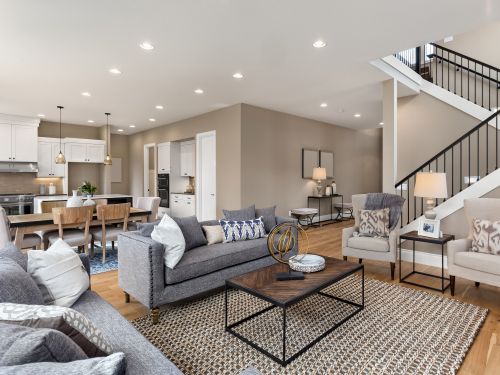
What is an Open Concept Floor Plan?
An open concept floor plan eliminates most interior walls that traditionally separate the kitchen, living room, and dining areas. Instead of divided, closed-off rooms, the space becomes one large, shared environment. Key features of open concept layouts include:
Uninterrupted visual sightlines across main living areas
Shared light from windows, skylights, and overhead fixtures
Improved flow between cooking, dining, and relaxing spaces
Increased multifunctionality for families and entertaining
This approach is especially popular in modern renovations aiming for a spacious, airy feel.
Pros of Open Concept Floor Plans
Better Flow and Usability
Removing barriers between rooms creates a smooth, uninterrupted flow. This makes the home feel more spacious and visually cohesive. Benefits include:
- Easier movement during gatherings
- Clear sightlines for supervising children
- More versatile furniture placement
Open layouts naturally support a modern, communal style of living.
Enhanced Natural Light
One of the biggest advantages of an open concept design is the improved distribution of natural light. Without walls blocking windows, sunlight flows freely throughout the main living space. This contributes to:
- A brighter, more inviting environment
- Reduced dependence on artificial lighting
- A more energy-efficient home
Open concept homes often feel larger than they actually are simply due to the expanded lighting reach.
Flexibility in Layout
With fewer walls, homeowners have more freedom to design zones based on their needs. You can incorporate:
- Large islands or peninsulas
- Multi-use dining areas
- Expanded living room seating
- Workspace or homework zones
This adaptability makes open layouts especially appealing for families.
Ideal for Entertaining
Open floor plans make hosting effortless. Cooks can engage with guests while preparing food, dining spaces feel more connected, and guests can mingle without feeling crowded. This is why open concept kitchens and living rooms remain popular in modern home design.
Contact Prestige Construction Today!
Cons of Open Concept Floor Plans
Less Privacy
Without interior walls, noise travels easily, and private or quiet zones become more difficult to maintain. Challenges include:
- Harder to separate work and relaxation
- More difficult to contain cooking noises
- Limited spaces for phone calls or quiet time
Families with varying schedules may find open layouts less convenient.
Reduced Wall Space
Walls provide structure for cabinets, artwork, shelves, and storage. In open concept homes, homeowners may lose:
- Upper kitchen cabinetry
- Display areas
- Built-in shelves or wall storage options
This sometimes requires creative planning to replace storage elsewhere.
Sound and Noise Control Issues
Open areas naturally amplify sound. Echoing can occur in large rooms with hard surfaces, requiring thoughtful acoustic solutions such as rugs, curtains, or upholstered furniture.
Heating and Cooling Challenges
Larger, open rooms can be tougher to maintain at a consistent temperature. Heating and cooling systems may need to work harder, or additional zoning solutions may be required.
When Open Concept Works Well
Open concept designs are most effective in homes where:
- Natural light is abundant
- The kitchen, dining, and living areas are already adjacent
- The household prefers shared living spaces
- Structural changes can safely accommodate wall removal
For smaller homes or tight floor plans, opening up walls can dramatically improve functionality and make the home feel more spacious. However, it’s crucial to consult with a professional designer or contractor to determine whether load-bearing walls, plumbing, or electrical systems will impact the feasibility of the remodel. Prestige Construction & Home Remodeling can evaluate your home and provide expert guidance on whether an open concept transformation is right for you.
Design Considerations for Open Concept Remodeling
Lighting Design
Because the space becomes larger and multi-functional, you’ll need a layered lighting plan that includes:
- Ambient lighting (recessed lights, chandeliers)
- Task lighting (under-cabinet lights, pendants)
- Accent lighting (wall sconces, decorative fixtures)
A well-designed lighting scheme ensures every zone is functional and visually balanced.
Defining Zones Without Walls
An open concept doesn’t mean every area blends together. You can define spaces using:
- Rugs to frame living or dining areas
- Furniture placement
- Kitchen islands
- Changes in flooring or ceiling details
These subtle transitions keep the space open while maintaining structure.
Storage Solutions
Because walls are removed, storage must be planned creatively. Consider:
- Larger kitchen islands with added cabinetry
- Floor-to-ceiling pantry walls
- Built-ins along perimeter walls
- Furniture with concealed storage
Designing the Perfect Open Layout for Modern Living
An open concept floor plan can transform your home by enhancing natural light, improving flow, and creating a more social, functional living environment. However, it also comes with considerations regarding noise, temperature, and privacy. By weighing the pros and cons, you can determine whether an open layout aligns with your lifestyle and renovation goals.
For expert planning, structural evaluations, and stunning remodels, contact Prestige Construction & Home Remodeling today. Let us help bring your dream open concept design to life!