Choosing the Right Drywall for Your Home
When remodeling your home, drywall may not be the first thing you think about—but choosing the right type is essential for the long-term durability and safety of your project. Different rooms require drywall with different levels of protection, especially in areas exposed to moisture, humidity, or fire risks. Understanding the differences between regular drywall, moisture-resistant drywall, and fire-rated drywall helps ensure your remodel meets building codes and performs well for years to come.
This guide breaks down each type, where it’s commonly used, and the pros and cons to help homeowners make informed decisions.
What is Regular Drywall?
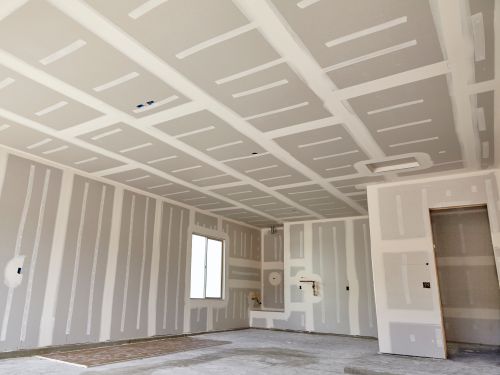
Regular drywall, also called standard drywall or white board, is the most common type used in interior walls and ceilings. It consists of a gypsum core sandwiched between layers of paper and comes in various thicknesses, with 1/2-inch being the residential standard.
Where Regular Drywall Works Best
Regular drywall is suitable for areas with normal moisture levels, such as:
- Bedrooms
- Living rooms
- Hallways
- Home offices
- Dining rooms
It’s affordable, widely available, and easy for contractors to install, making it a go-to choice for most interior spaces.
Pros of Regular Drywall
- Cost-effective
- Lightweight and easy to install
- Smooth surface for painting and finishing
- Ideal for standard living areas
Cons of Regular Drywall
- Not moisture-resistant
- Not designed for fire-prone areas
- Can deteriorate quickly if exposed to water leaks or humidity
Moisture-Resistant Drywall (Green Board or Purple Board)
Moisture-resistant drywall is specially designed to perform better in humid or damp areas. It has a water-resistant core and a treated surface that helps prevent moisture absorption.
Where Moisture-Resistant Drywall Works Best
Moisture-resistant drywall should be used in areas where humidity is higher than average, such as:
- Bathrooms (outside of shower/tub areas)
- Basements
- Kitchens
- Laundry rooms
- Utility rooms
For showers and tub surrounds, however, cement board or waterproof backer board is the recommended material—not moisture-resistant drywall.
Pros of Moisture-Resistant Drywall
- Better resistance to humidity and dampness
- Helps prevent mold and mildew growth
- Stronger than standard drywall in moisture-prone areas
- Available in various improved formulations like purple board (more mold-resistant)
Cons of Moisture-Resistant Drywall
- More expensive than regular drywall
- Not fully waterproof
- Not suitable for direct water exposure
- Slightly heavier and harder to cut
Fire-Rated Drywall (Type X and Type C)
Fire-rated drywall is designed to slow the spread of fire and increase the time occupants have to escape during an emergency. It contains glass fibers and other additives that enhance fire resistance.
Where Fire-Rated Drywall Works Best
Building codes often require fire-rated drywall in specific locations, including:
- Attached garages
- Basements and furnace rooms
- Walls around fireplaces
- Between living spaces and utility areas
- Multi-family dwellings or shared walls
Using the correct fire-rated gypsum board helps ensure your home meets safety regulations.
Pros of Fire-Rated Drywall
- Provides extra fire protection
- Required by code in many areas
- More durable and dense than regular drywall
- Available in multiple fire-rating levels (typically 1-hour fire resistance)
Cons of Fire-Rated Drywall
- Heavier and more difficult to install
- Higher material cost
- Requires experienced installers for proper performance
Contact Prestige Construction Today!
Which Drywall Type is Best for Each Area of the Home?
To help simplify your decision, here’s a quick breakdown of recommended drywall usage:
Bathrooms
- Moisture-resistant drywall for walls
- Cement board for shower/tub areas (not drywall!)
Basements
- Moisture-resistant drywall is best due to high humidity levels
- Fire-rated drywall may be required in mechanical areas
Kitchens
- Moisture-resistant drywall behind sinks and appliances
- Regular drywall for dining areas
- Fire-rated drywall near stoves depending on local codes
Home Additions
Depends on location:
- Standard living spaces → regular drywall
- High-moisture areas → moisture-resistant
- Garage or utility connections → fire-rated
If you’re unsure which drywall type your project needs, Prestige Construction & Home Remodeling can help evaluate your space and ensure proper material selection based on code requirements and long-term durability.
Choosing the Right Drywall for a Stronger, Safer Home
Drywall plays a critical role in your home’s structure, safety, and longevity. Understanding the differences between regular, moisture-resistant, and fire-rated drywall ensures you choose the right material for each room—especially during kitchen remodels, bathroom renovations, basement finishing, and new home additions.
For expert installation, professional recommendations, and a seamless remodeling experience, contact Prestige Construction & Home Remodeling today. We’ll help you build a home that’s safe, beautiful, and built to last.