Understanding Structural Walls During Remodeling
When planning a renovation, especially one involving layout changes, few topics are more important than understanding load-bearing walls. Removing or altering the wrong wall can compromise the structural integrity of your home, leading to costly repairs and serious safety risks. This guide explains what a load-bearing wall is, how professionals identify one, and why you should always consult an expert before making structural changes.
What is a Load-Bearing Wall?
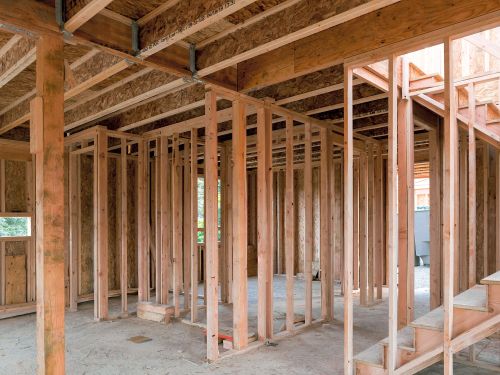
A load-bearing wall, or may also be referred to sometimes as a structural wall, is a wall that supports the weight of your home. Unlike non-load-bearing or “partition” walls, which simply divide rooms, load-bearing walls carry and transfer loads from the roof, floors, and upper levels down to the foundation.
In simpler terms: If the wall helps hold your house up, it’s a load-bearing wall.
Load-bearing walls are essential to a building’s stability and must be carefully evaluated before being removed, cut into, or altered in any way.
Why Do Load-Bearing Walls Matter?
Understanding which walls are structural is crucial for safety and proper remodeling planning.
Structural Support
Load-bearing walls keep your home stable by distributing weight correctly. Changing these walls without proper reinforcement can lead to sagging floors, cracks in ceilings, or structural failure.
Safety Concerns
Incorrectly removing a load-bearing wall is extremely dangerous. It can cause:
- Partial structural collapse
- Drooping ceilings and floors
- Serious injury risks
This is why structural modifications must always be handled by trained professionals.
Code and Permit Requirements
Because load-bearing walls are structural elements, modifying them usually requires:
- Building permits
- Structural engineering plans
- Inspections
Skipping these steps can lead to fines, safety hazards, and problems when selling your home.
How Professionals Identify a Load-Bearing Wall
While homeowners can look for clues, only a qualified contractor, structural engineer, or architect can accurately confirm whether a wall is load-bearing. Pros use multiple methods to safely identify structural walls.
Evaluating the Home’s Blueprints or Plans
Blueprints reveal the original structure, including:
- Support beams
- Columns and posts
- Structural walls
- Joist direction
If blueprints are available, this is one of the most reliable ways to determine load-bearing walls.
Checking the Direction of Floor or Ceiling Joists
A key indicator:
- Walls that run perpendicular (90 degrees) to joists are often load-bearing.
- Walls that run parallel may or may not be structural.
Pros inspect attics, basements, or crawl spaces for visible joists, beams, and supports.
Inspecting the Foundation and Basement
Load-bearing walls typically align with structural components below, such as:
- Concrete footings
- Steel beams
- Support columns
If a wall continues through multiple floors and aligns with a beam or support post in the basement, it is very likely load-bearing.
Observing Roof Lines and Upper Floors
For multi-story homes, pros check where upper-level walls stack. Roof framing can also help identify which interior walls provide support.
Using Tools and Structural Expertise
Professionals rely on specialized knowledge, tools, and sometimes destructive testing (such as removing small sections of drywall) to confirm a wall’s role safely and accurately.
Contact Prestige Construction Today!
Why Homeowners Should Never Remove a Load-Bearing Wall Without a Professional
Even if a wall may look non-structural, hidden framing, electrical lines, plumbing, or HVAC components may be present. Removing or altering a load-bearing wall requires:
- Structural engineering calculations
- Support beams or LVLs (laminated veneer lumber)
- Temporary shoring during construction
- Proper installation to meet building codes
DIY removal is never recommended. A miscalculation, even by inches, can cause long-term structural damage.
When is it Safe to Remove or Modify a Load-Bearing Wall?
With the right team, removing a structural wall is possible, but only with proper planning and engineering.
Professionals may:
- Install a load-bearing beam to replace structural support
- Build new posts or columns
- Reinforce existing framing
- Secure permits and drawings
This ensures your home remains stable while achieving a more open layout.
If you’re considering opening up your layout or removing a wall, Prestige Construction & Home Remodeling will evaluate the structure and provide safe, code-compliant solutions.
Understanding Structural Walls for a Safer, Smarter Remodel
Load-bearing walls are central to your home’s stability, and altering them without proper planning can be dangerous and costly. By understanding what they are and relying on professional guidance, you can safely transform your home’s layout with confidence. Whether you’re opening up your kitchen, expanding a living room, or planning an open concept design, Prestige Construction & Home Remodeling provides expert structural evaluation and remodeling support.
Contact Prestige Construction & Home Remodeling today to schedule a consultation and ensure your project is safe, efficient, and beautifully executed.